Some Wisdom On Train Driver Fatality Compensation From An Older Five-Year-Old
Train Driver Fatality Compensation 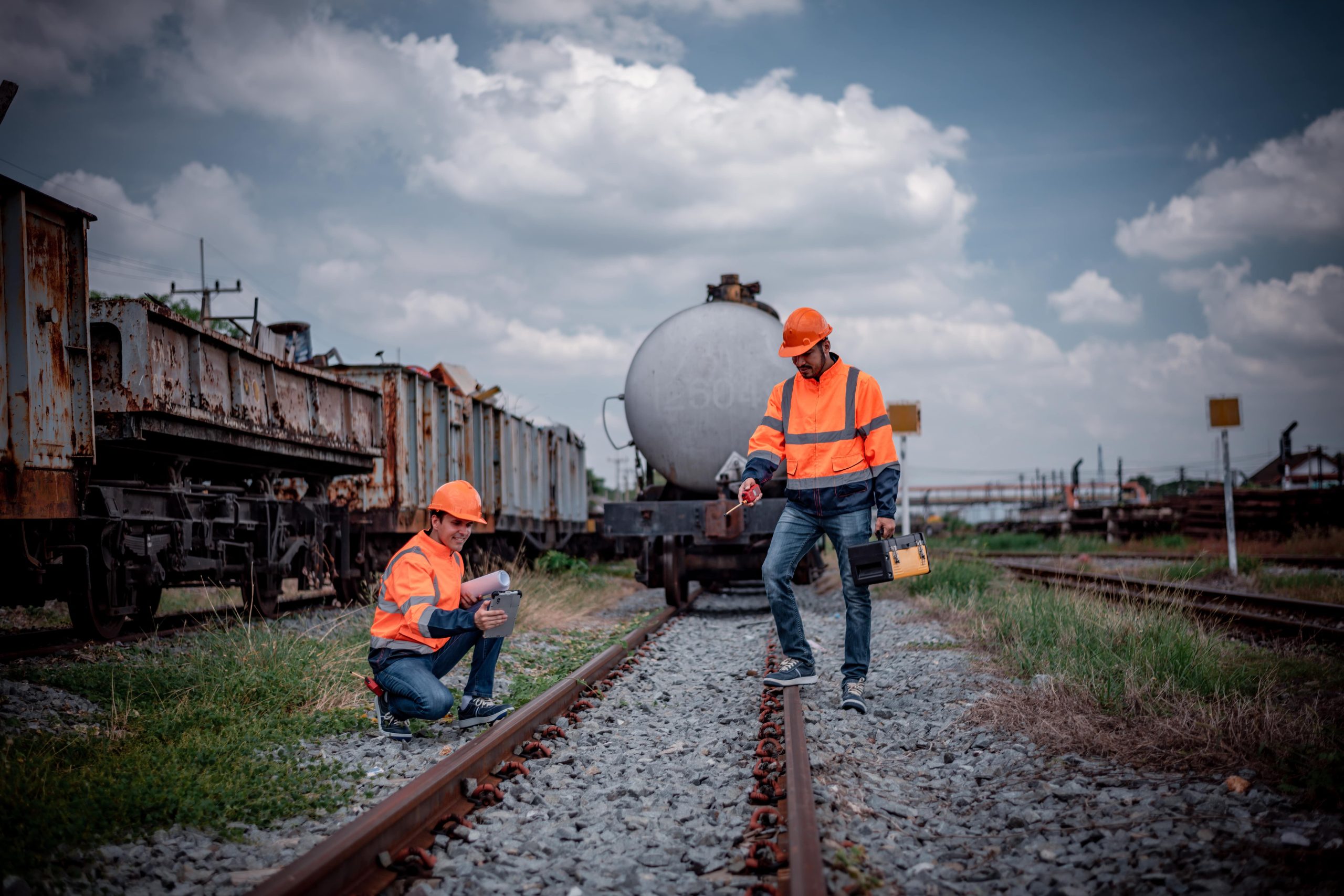 Train accidents can be devastating. If you or someone you love was injured during a train accident you could be entitled to compensation for your injuries. An attorney who has experience in train accidents can help you understand complex legal concepts, deal with insurance companies to obtain favorable settlements and fight for justice in court. Passengers Although train passengers are generally protected by the train's body in the event of a derailment or accident, serious injuries can still happen. These injuries could include neck and back fractures, broken bones or head injuries. Many of these accidents are caused by weather, such as severe rainstorms or dense fog which hinder visibility and hinder the ability to brake. Other causes can include obstacles or objects that block the tracks like fallen trees, trash or vehicles, or even the electrified track, also known as the third rail. In certain instances these injuries could be the result of carelessness by train workers. Although train accident lawyer houston are not as common as car accidents Train accidents can be fatal and have devastating consequences. It is essential that the parties responsible for these accidents are accountable. The injuries sustained by victims may have a life-changing impact and can be costly. A legal claim against the liable party can aid victims in obtaining an appropriate amount of compensation for their injuries. Despite a decline in usage trains continue to carry an impressive number of passengers who aren't on business. Accidents between cars and trains at railway crossings, pedestrians who are trespassing on the tracks, as well as other train accidents can be catastrophic for passenger safety. Drivers might not pay attention to traffic signals or attempt to get past closing gates at a crossing that isn't protected. Drivers could be fatigued or distracted while driving their vehicles. Equipment failure is another frequent cause of these incidents. Hospital-based trauma registry data from a middle- and low-income country were used to evaluate the severity, patterns of injuries and in-hospital management of train-associated injuries. The results show that train-related injuries are a significant burden for the healthcare system. They can be associated with high expenses, especially for those who require long-term care. There are laws that protect those injured in train accidents and help ensure that they receive an adequate amount of compensation for their injuries. It is crucial to seek legal advice immediately if you have been injured in train accidents. A skilled lawyer can help you navigate the complex legal rules to determine who is responsible for your accident. Conductors As those who are who operate heavy and dangerous machinery on a daily basis conductors of trains are especially vulnerable to accidents. Under the Federal Railroad Administration (FRA) they must undergo special training and pass rigorous background checks before they are able to be hired. Despite these precautions accidents do occur. Train accidents are usually caused by human mistakes, mechanical malfunctions and malfunctioning signals. Conductors are also required to work in extreme conditions of weather, ranging from cold frostbite when inspecting trains as well as walking tracks in winter to exhaustion from heat while switching rail cars during summer. On the job, they may be exposed to asbestos and other chemicals, such as silica, diesel exhaust and secondhand tobacco smoke. In addition, they suffer injuries while working in the workplace, they are frequently the unacknowledged victims of fatal collisions with vehicles at railway crossings as well as on highways. This puts them at a significant risk for Post Traumatic Stress Disorder (PTSD). Train accidents are usually caused by human error, mechanical malfunction, or inadequate maintenance. The FRA sets standards, however, it isn't easy to keep up with routine repairs and inspections. The most common causes for train accidents are: If a person injured in a train accident sustains an injury that wasn't their fault, they may be eligible for compensation under the law of contributory negligence. The amount of compensation could be reduced according to this rule if a plaintiff is found to be accountable for their own injuries through engaging in reckless behavior or negligence. This can be the case if people do not obey safety warnings, drive around lowered crossing gates or cross the railroad tracks. Bystanders A train accident is a terrifying incident that can result in serious injuries to drivers, passengers and other bystanders. Bystanders are susceptible to injuries, including head trauma, leg injuries, back and neck injury, and abdominal damage. In addition to these common injuries, certain bystanders could be at risk of negative psychological effects that last for a long time. It is vital that every company ensures the safety of their employees and people who work around dangerous machinery. The company should ensure that all equipment properly maintained and offer first aid training to employees. Many people die when trains collide with their vehicle. The brakes of the vehicle are typically to blame, but there could be other causes. Trains can hit an automobile from behind and the force of impact can be so great that even if the vehicle's passengers are able to survive, they'll likely have serious injuries. Depending on the circumstances depending on the circumstances, the victims may be entitled to financial compensation for their injuries. It can be difficult to determine who is at fault. If a person is found to be in violation of safety protocols, and drives into a lowered crossing arm, or crosses the tracks as the warning signal is blaring and they are found negligent. In certain cases, the fault is shared by several parties, and contributory negligence laws could apply to these situations. There have been numerous studies that have examined the experiences of bystanders when witnessing an accident. In one study, bystanders' responses to a situation were examined through systematic thematic coding. The results revealed that physical, emotional and cognitive factors all play a role in the way that bystanders respond to incidents. The results also revealed that the perception of a bystander about the severity of the injury can influence their decision to assist. It is also worth noting that bystanders' previous experiences and their perspective affect their anxiety and fear. This is particularly true when they encounter an emergency situation that isn't familiar to them. This study suggests that the fears of bystanders and worries can be diminished through practical and appropriate education. Injuries Train accidents can cause serious injuries, and even deaths. Victims can suffer long-term physical and emotional damages that can be a significant impact on the entirety of their lives. They might require ongoing medical care and expensive medications. They can also suffer from financial issues because of being not working. In some instances, public assistance might be needed to pay for their living expenses. Train accident victims typically have a right to compensation for their injuries. This can include economic damages for medical expenses and lost wages, as well non-economic damages such as pain and suffering. In certain cases the amount of compensation awarded to a victim could be more than $1 million. Documenting the accident in complete details is crucial for any personal injury claim. This is crucial evidence for a successful case. Take photos and videos of the scene of the accident. It's also important to obtain the names and contact numbers of witnesses who were present at the crash. An attorney for train accidents can assist you with this, and also filing your claim within the deadlines set by law. Train accidents can result in injuries to passengers and crew. It is important that anyone injured in the accident file a claim immediately. It's also essential to employ an attorney for personal injuries who is able to represent injured victims. A lawyer can assess the facts of a case and determine which parties are accountable for the incident, as well as the amount of compensation to be awarded. Many train accidents happen because of reckless and negligent conduct by other drivers on the road pedestrians, pedestrians, or even the train's operators. These actions include ignoring or not noticing warning signals at railway crossings, trying to beat a train running across tracks, and driving distracted. Other causes of accidents can be weather conditions, such as fog storms, rainstorms, or snowstorms which make it difficult to see or stop the train. It could be caused by other obstructions or objects that block the rails, such as fallen trees or trash.